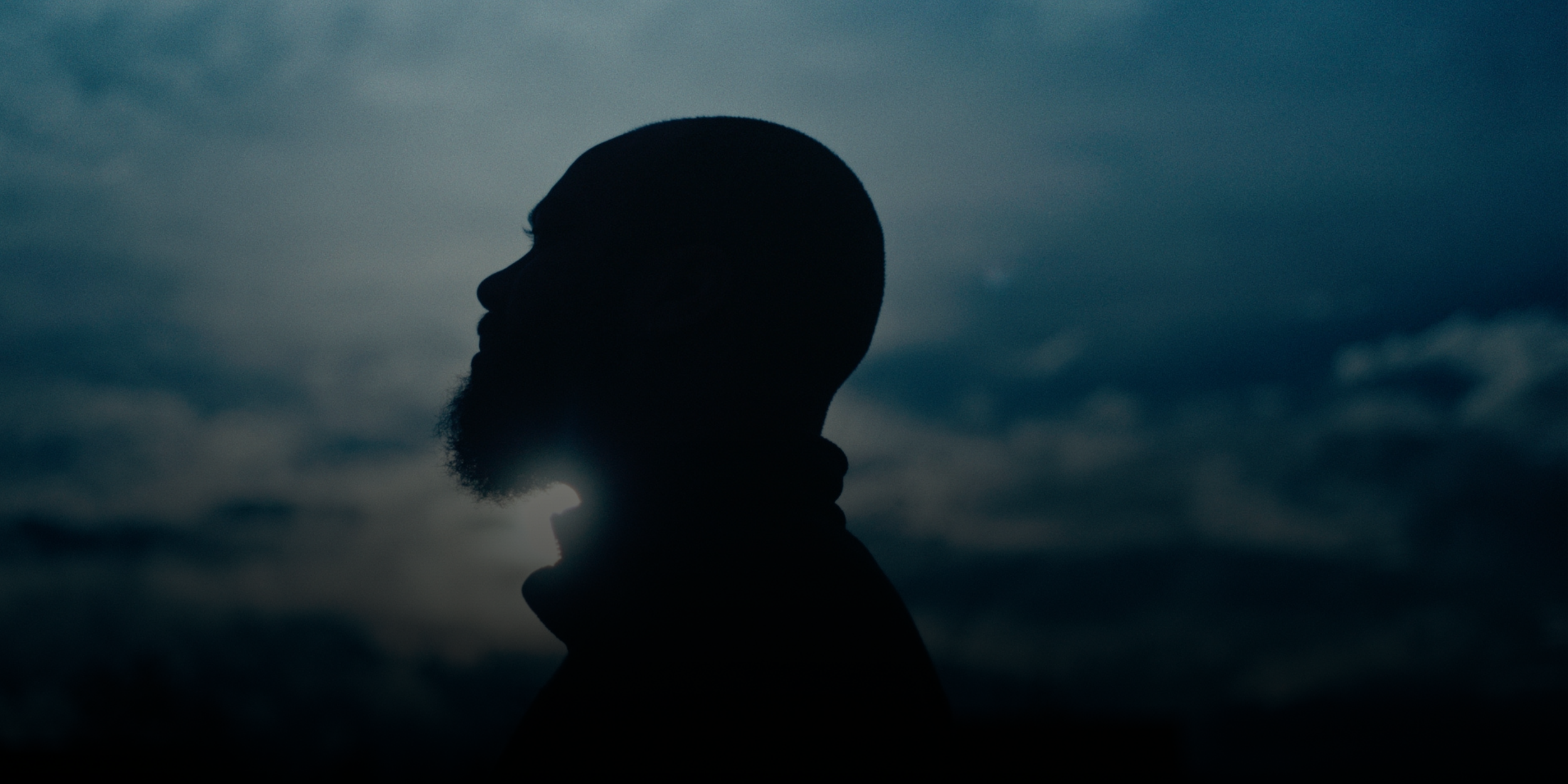
Sanda Dia
Sanda (20), son of a Senegalese immigrant and a working-class Belgian mother, dreams of a better life, just like his father once did when he came to Europe. Hoping to climb the social and economic ladder, Sanda joins the elite fraternity Reuzegom in Leuven, Belgium in 2018. There he needs to prove his worth to eighteen white upper-class boys who grew up in a different world in the same country; one of privilige, opportunity and power. Disaster strikes when these two worlds meet during the initiation rites, which Sanda tragically does not survive.
DIRECTED BY
RELEASE DATE
PRODUCED BY
Tomtit Film
CO-RPDOUCED BY
Clin d’Oeil
To be continued
Miriam Guttmann
Additional Details
AUDIO LANGUAGES
Flemish, French
Synopsis
On December 7th, 2018, engineering student Sanda Dia dies during the derailed initiation rites of an elitist fraternity in Leuven, Belgium. During this hazing period, those who hope to join are tested to the limit; humiliated and mistreated, and given unbearable assignments, such as swallowing fish oil, dead mice and living fish. Sanda is faced with the most jarring and barbaric tasks, causing severe hypothermia, poisoning and eventually, his death.
In 2023, five years after Sanda’s death, legal conviction follows: the eighteen fraternity boys are found guilty of the accidental killing of student Sanda Dia. However, none of them are sentenced to go to jail, neither do they get a criminal record. Their only punishment is 200-300 hours of community service and a fine of 400 Euros. Sanda was the only person of color in a white and upper-class fraternity. Some of the suspects’ fathers happen to be successful Belgian lawyers.
Social upheaval erupts: people massively take to the streets in Belgium and the Netherlands, protesting and condemning structural racism and classism in the legal system. The suspects’ names are published in the press. The other side speaks of frontier justice and rampant wokeism. Where does the truth lie?
The documentary Sanda Dia tells the story of the price certain people have to pay in their effort to transcend their social class, and the effort others make to keep their circles closed and homogenous. Is Sanda’s death a tragic accident, a fatal consequence of senseless student traditions? Or is it the result of structural racism and inequality in our society? The documentary highlights the dark side of an elite fraternity, where power, class and privilege come at the expense of others. Why did the prosecuted end up receiving punishments similar to those given for traffic offences? Would they have received harsher punishments had they come from a migration background or lower social status?
This is one of the first stories that painfully lays bare that structural racism and classism are not ‘just’ American issues, but also very much exist on the European continent. It is a universal issue that requires the highest form of attention and reflection.